The Medina
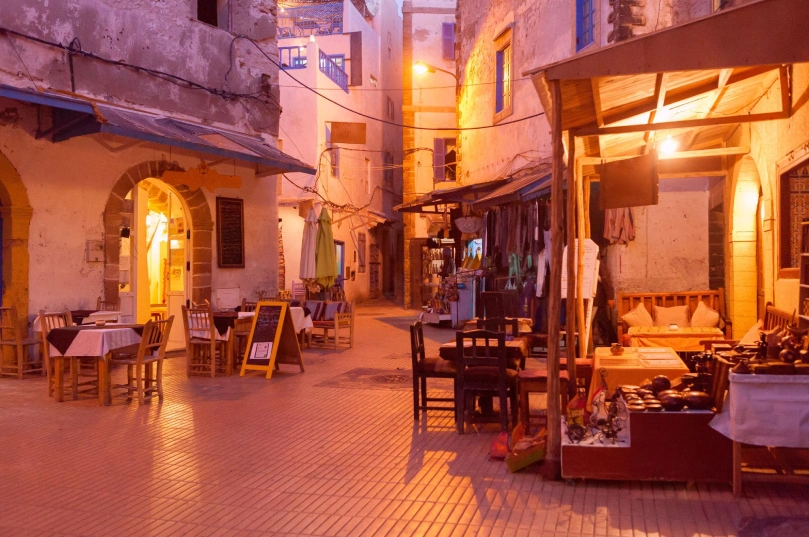
Essaouira's medina was designed by a French architect in the 18th century, which explains why it looks nothing like Marrakech's. The streets are straight, wide enough for a car, and laid out on a grid — the antithesis of the Marrakech labyrinth. Walking it is easy. Getting lost is almost impossible.
The colour palette is blue and white. Blue shutters, blue doors, white walls, blue fishing nets hung to dry near the port. The blue was historically a practical choice — the dye repels insects. Now it is an aesthetic one, maintained by tradition and reinforced by the tourist economy.
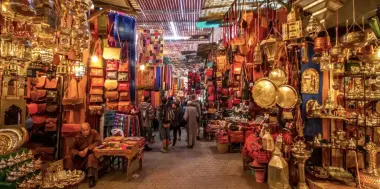
The souks run through the centre of the medina. They are calmer than Marrakech — less pressure, more actual craft. Essaouira is known for thuya wood, a dense local timber with a distinctive orange-brown grain and natural scent that woodworkers have been using here for centuries. The marquetry and carved objects sold in the medina are among the better craft purchases in Morocco. The quality varies; take time to look at several shops before buying.
Galerie d'Art and independent artists'studios are scattered through the medina — Essaouira has a history as an artists' colony going back to the 1960s when Jimi Hendrix and Cat Stevens spent time here. The music connection is sometimes overstated but the artistic atmosphere is real. Several galleries show contemporary Moroccan work alongside traditional craft.
The Ramparts and the Sea
The Skala de la Ville is the main rampart platform, positioned at the northern corner of the medina facing the ocean. Cannons — bronze Portuguese pieces from the 16th and 17th centuries — line the battlement. The view from the rampart looks directly out over the Atlantic with nothing between you and the horizon.
Wind is the defining atmospheric feature of Essaouira. The city sits in a natural wind corridor — the Alizé, the trade wind that blows from the north along the Atlantic coast of Africa, hits Essaouira directly. Average wind speed is 6 to 7 metres per second year-round, rising to 10 to 12 in summer. This is why the city has become a windsurfing and kitesurfing hub — the beach south of the medina is one of the most consistent wind sports locations in the world.
For most visitors the wind is either pleasant (it keeps the temperature down and the air clear) or annoying (sand gets into everything). Bring a light jacket regardless of the season — the rampart is exposed and the wind at 4pm can be sharp even in July.
Sunset from the Skala de la Ville is one of the better sunsets in Morocco. The sun drops into the Atlantic directly ahead, the old cannons are silhouetted, and the light turns the medina walls orange. Arrive 30 minutes before sunset to find a position on the rampart — it fills up.
The Fishing Port
The port is south of the ramparts, still a working fishing harbour. Blue wooden boats. Seagulls. The smell of fish. Men mending nets in the morning. It is one of the most genuinely non-touristy parts of Essaouira — the port operates on its own schedule regardless of what is happening in the medina.
A fish market runs inside the port entrance from early morning until the catch is sold — usually by noon. Restaurants adjacent to the market grill fish to order at the open stalls. You choose your fish (sardines, sea bass, squid, prawns depending on the day's catch), agree a price per kilo, and it is grilled in front of you and served at a plastic table with bread and harissa. This is the best meal in Essaouira and among the best fish you will eat in Morocco. Budget 60 to 120 MAD per person.
The stalls can be aggressive about getting customers to sit at their specific table. Walk through the full row before choosing. The quality is broadly similar between stalls — pick based on what fish looks freshest that day, not which person called to you most insistently.
Where to Eat
Port fish stalls: Best fish, lowest prices, no atmosphere beyond plastic chairs and sea air. Go before noon when the catch is fresh. 60 to 120 MAD per person.
Medina restaurants on Rue de la Skala: The main restaurant street has a dozen decent options — tagines, couscous, grilled fish, Moroccan salads. Prices are mid-range (80 to 150 MAD for a full meal). Quality is consistent if not exceptional. Terrasse de la Skala has one of the better views.
Cafe de France and the main square: The square inside the medina near the clocktower has cafes for mint tea and Moroccan pastries. Good for a rest between the ramparts and the port. The orange juice stands near the medina entrance are worth stopping at.
Lunch timing: The port stalls and medina restaurants fill between 12:30 and 2pm. Eat at 12 or 2:30 to avoid the rush.
Day Trip vs Overnight
The day trip from Marrakech works well and covers the main elements — the medina, the ramparts, the port, lunch, the drive through argan country — in a full day. The drive each way is 2.5 hours, which means you have 4 to 5 hours in Essaouira if you leave Marrakech at 8am.
The 2-day overnight version adds the sunset on the ramparts, dinner at a riad, and the morning calm before day trippers arrive — Essaouira before 9am is a different city from Essaouira at noon. For anyone who finds the pace of Marrakech relentless, a night in Essaouira resets everything.
One honest note about the day trip: the drive is long. Five hours of driving total for 4 to 5 hours in the city is the trade-off. It is worth it — Essaouira is genuinely good — but pace yourself. The people who enjoy the day trip most are those who pick two or three things to do rather than trying to see everything.
Getting There from Marrakech
Essaouira is 170 kilometres west of Marrakech — 2.5 hours by road on the A7 motorway then the secondary road through Chichaoua. The drive passes through argan tree forest in the final section before the coast — the trees are native to this specific region of Morocco and found almost nowhere else.
Public transport: CTM and Supratours run buses from Marrakech to Essaouira several times daily — journey time 3 hours, cost around 100 MAD. The bus station in Essaouira is 10 minutes walk from the medina entrance. A viable option if you want to go independently.
Driving yourself: straightforward. The motorway section is fast and well-maintained. Parking in Essaouira is outside the medina walls — the city is pedestrianised inside.
Practical Information
Wind and clothing: Essaouira is windy year-round. Always bring a layer even in summer. A scarf is useful on the ramparts and the beach. Sand gets into bags — use a ziplock for phones and cameras on the beach.
Best months: April, May, October and November. The wind is present but moderate, crowds are manageable and temperatures are ideal. Summer (June to August) is popular but windier and more crowded. Winter is quiet with good light and the occasional rough sea adding to the atmosphere.
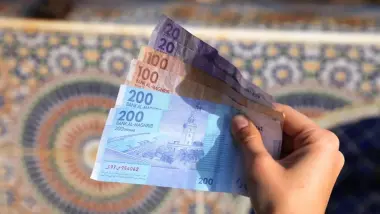
Cash: ATMs are available in the medina. Most port stalls and smaller craft shops are cash only. Bring enough dirhams for lunch, port fish, any craft purchases and tips.
Photography: The blue doors and white walls photograph well in morning light. The port is best early (7 to 10am) when the boats are active. The rampart sunset requires arriving 30 minutes early.